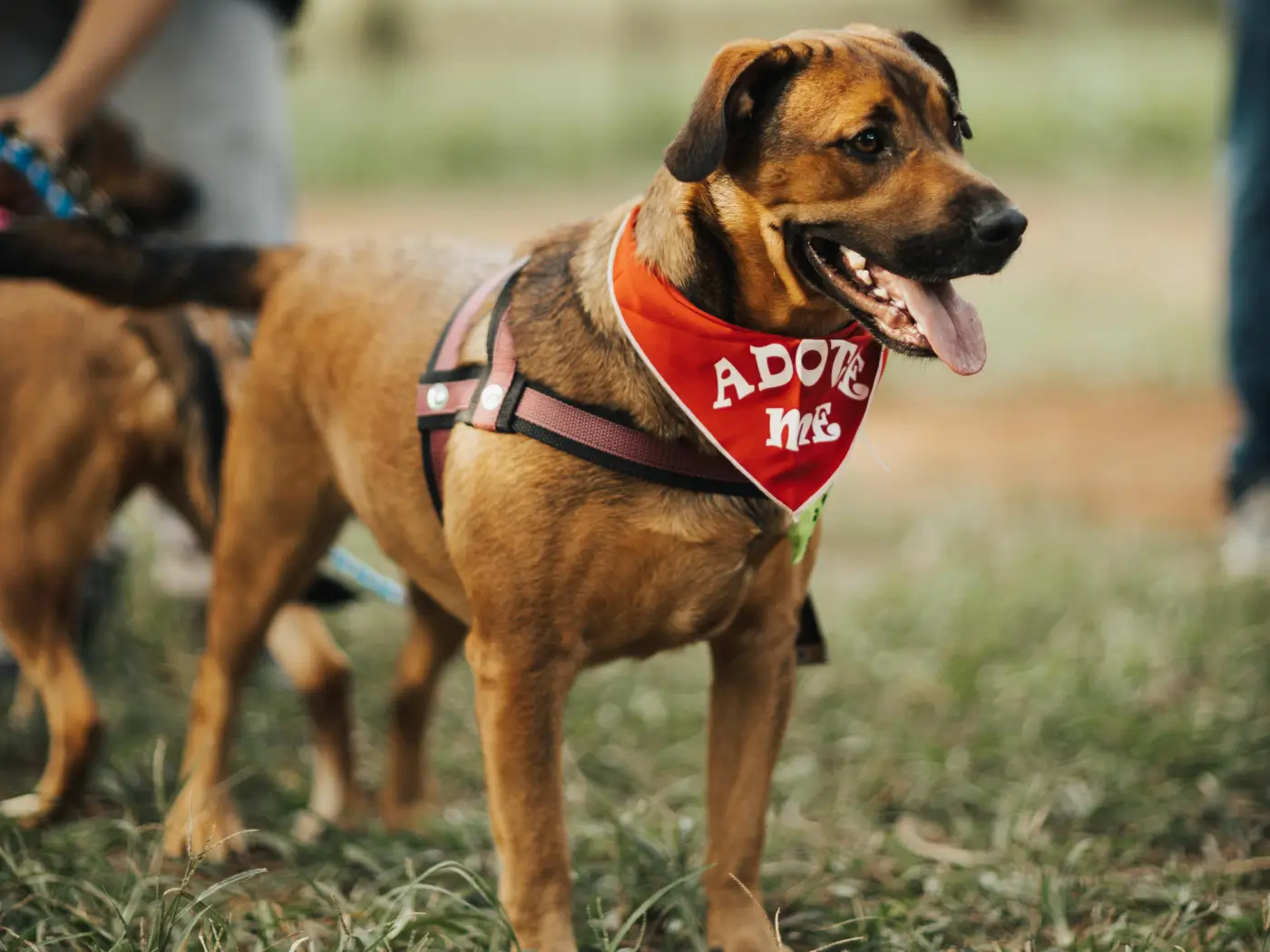
Importance of volunteering in animal welfare
Volunteering in animal welfare is more than just cuddling puppies or feeding cats. Behind every clean kennel and every successful adoption is a well-prepared volunteer—someone trained to make a real, lasting impact.
Whether you’re helping at a shelter, a rescue, or an adoption event, volunteer training is what transforms good intentions into meaningful support. And the animals can feel the difference.
Learning to Help the Right Way
When I first walked into a local animal rescue center to volunteer, I thought my love for animals would be enough. But within an hour, I realized there was so much more to learn—how to approach fearful dogs, how to clean without spreading illness, how to talk to potential adopters with care.
Thankfully, I wasn’t alone. The shelter provided hands-on training from day one. I learned how to move through the facility safely, interpret animal body language, and support both animals and adopters with confidence. The difference between guessing and knowing? It changed everything.
What Volunteer Training Covers
Every shelter has its own system, but most training programs focus on a few key areas that help keep everyone—animals and humans—safe and supported.
1. Shelter Rules and Safety Procedures
You learn the layout, safety exits, and how to avoid cross-contamination between areas. Hygiene and caution are key, especially in high-stress environments.
2. Animal Handling Basics
Volunteers are taught how to safely walk dogs, lift cats, and interact with different species, especially those that are shy, nervous, or recovering from trauma.
3. Recognizing Animal Stress
Training includes spotting early signs of anxiety or aggression in animals. Understanding subtle cues—like pinned ears or tucked tails—helps prevent problems before they happen.
4. Customer Service and Communication
Volunteers often serve as the first point of contact for visitors. You’re trained to answer common questions, share each animal’s story, and provide a warm, helpful presence.
5. Emergency Protocols
If an animal escapes, gets sick, or there’s a safety issue, you need to know exactly what to do. Training covers how to react quickly, calmly, and effectively.
Many shelters also offer specialized roles—like dog walking, cat socialization, or event support—each with additional training so you’re never left unprepared.
Real Stories, Real Impact
“I was nervous my first day,” says Maria, a college student who volunteers at her city shelter. “But the training helped me feel ready. Within a week, I was comforting shy dogs, helping adopters find matches, and even mentoring new volunteers.”
When volunteers are trained well, it’s not just the animals who benefit—volunteer retention improves, stress goes down, and adoptions go up.
In shelters that prioritize training, animals are socialized better and find homes faster. And volunteers feel proud, confident, and part of something bigger.
Before You Start: The Volunteer Toolkit
To help new volunteers feel even more prepared, many shelters offer welcome packets or checklists. For your template, consider including an interactive downloadable:
Volunteer Toolkit: What to Know Before You Show Up
What to wear
What to bring (like a water bottle, notebook, or gloves)
Quick glossary of animal body language
Do’s and Don’ts for your first shift
This small resource can make a big difference—and it also adds value to your blog template by giving readers a reason to engage or sign up.
Final Thoughts
Volunteer training is the foundation of effective animal welfare work. It helps volunteers feel confident, keeps animals safe, and builds trust with the community.
Because when you know what you’re doing, you’re not just helping—you’re healing, connecting, and creating real change.