One Step Closer to the Ocean
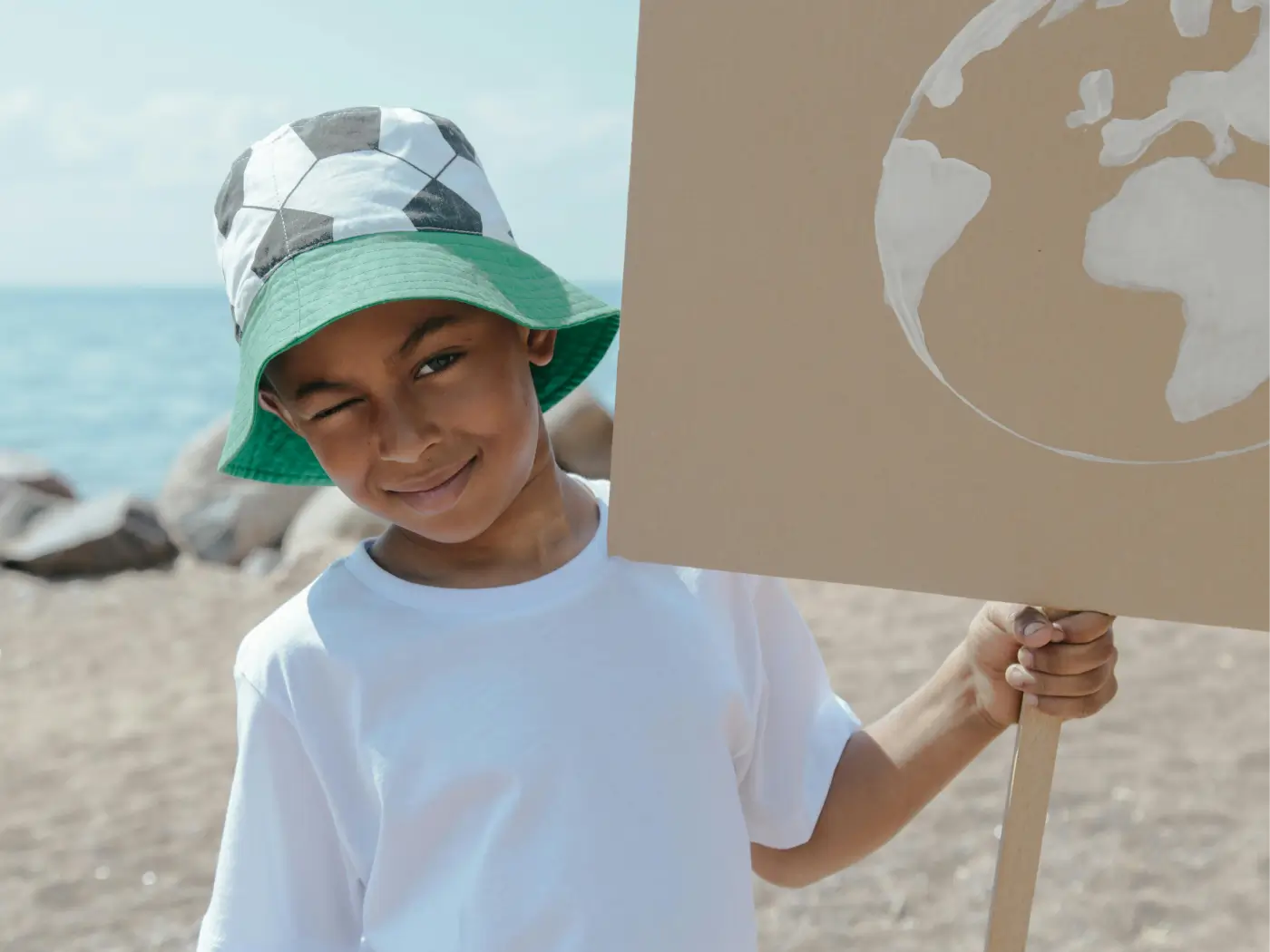
If you're passionate about the ocean and want your actions to have a real-world impact, you're not alone. Every year, thousands of people decide to step into the world of marine conservation — not as scientists or professional divers, but as ordinary individuals with an extraordinary sense of care.
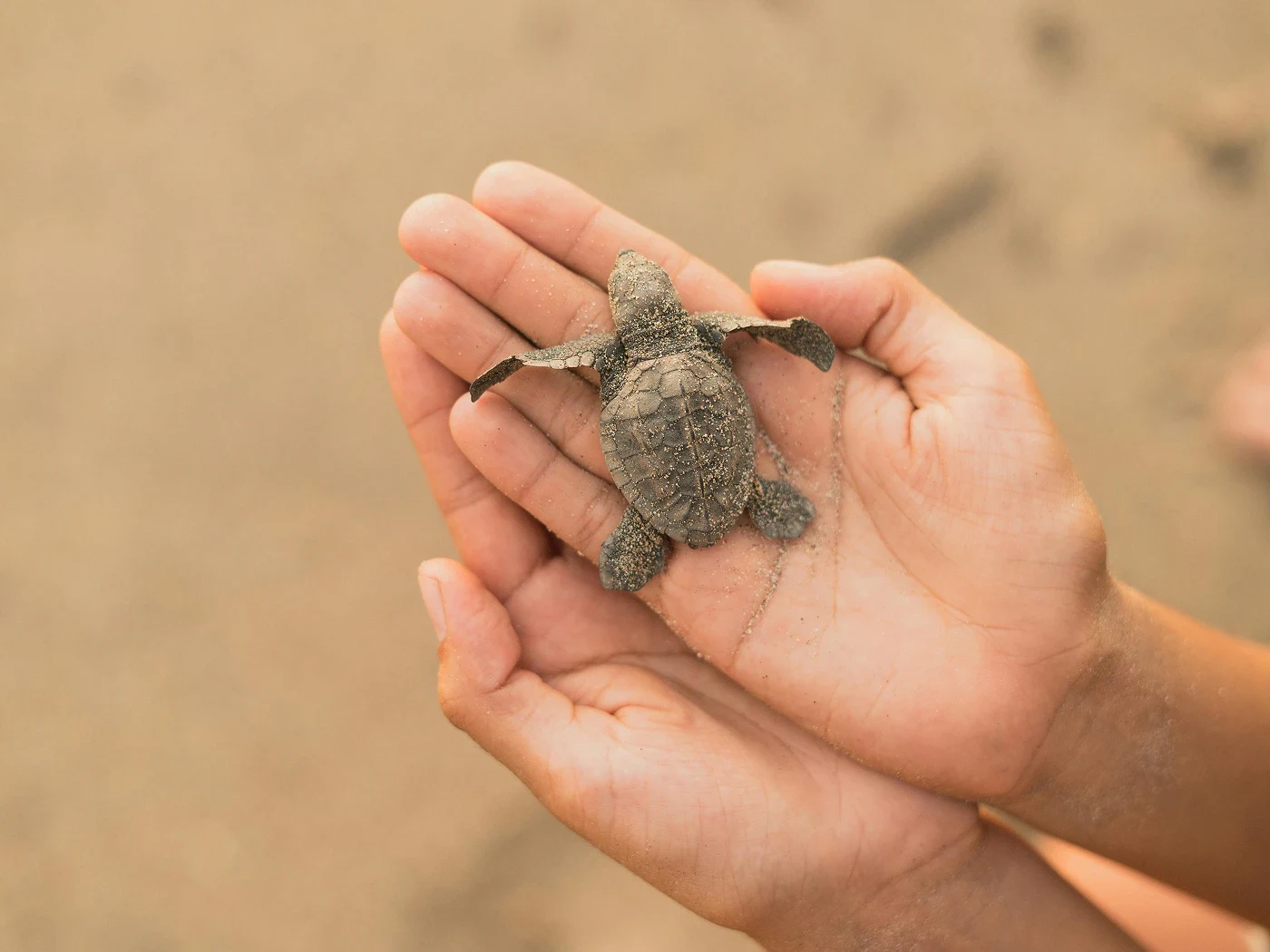
It’s a common misconception that you need a background in marine biology to be useful. In reality, the most valuable thing you can bring is consistency. Volunteering opportunities range from local efforts — such as community beach clean-ups — to global programs that train volunteers in reef monitoring, sea turtle nesting, and sustainable tourism education.
Take Maria, for example, a 29-year-old marketing executive from Spain. After reading about coral bleaching, she booked a spot on a 2-week reef restoration program in Bali. She learned to identify different coral species, participated in underwater clean-ups, and assisted in daily monitoring dives.
“I was scared of doing it wrong,” Maria says. “But they taught us patiently. I realized that even with small skills, I could help. It wasn’t about being perfect — it was about showing up.”
Her story is not unique. Across the world, people from non-marine backgrounds are joining efforts to protect the ocean.
How Marine Volunteering Works
Volunteering in marine conservation doesn’t mean you have to live on a boat or commit to months abroad. Some projects are short-term, flexible, and even remote. You might find yourself preparing reports from your laptop, hosting educational events in your city, or helping a local NGO with social media.
In-person programs typically offer training on:
Identifying marine species
Safe diving or snorkeling techniques
Data collection and reporting methods
Environmental communication for tourists
And more importantly, they provide you with a community — fellow volunteers, coordinators, and local stakeholders — all of whom care as deeply as you do.
The Emotional Payoff is Real
There’s something transformational about contributing to marine life protection. It's not just about saving ecosystems — it's about reconnecting with something bigger than yourself. Volunteers often report increased mental clarity, reduced stress, and a stronger sense of purpose after their projects.
You might not save the ocean in a day, but by showing up — even just once — you become part of a growing global force that refuses to ignore what’s happening beneath the waves.
In the end
If you’re wondering when the “right time” is to get involved, the answer is: now. Whether you live near the sea or far inland, there’s something you can do — and someone who will teach you how.
The ocean has given us everything. It’s time to give something back.