The Role of Volunteers in Environmental Education
In an era where environmental challenges are increasingly pressing, educating the younger generation about sustainability is paramount. Volunteers play a crucial role in this educational journey, bridging the gap between knowledge and actionable change.
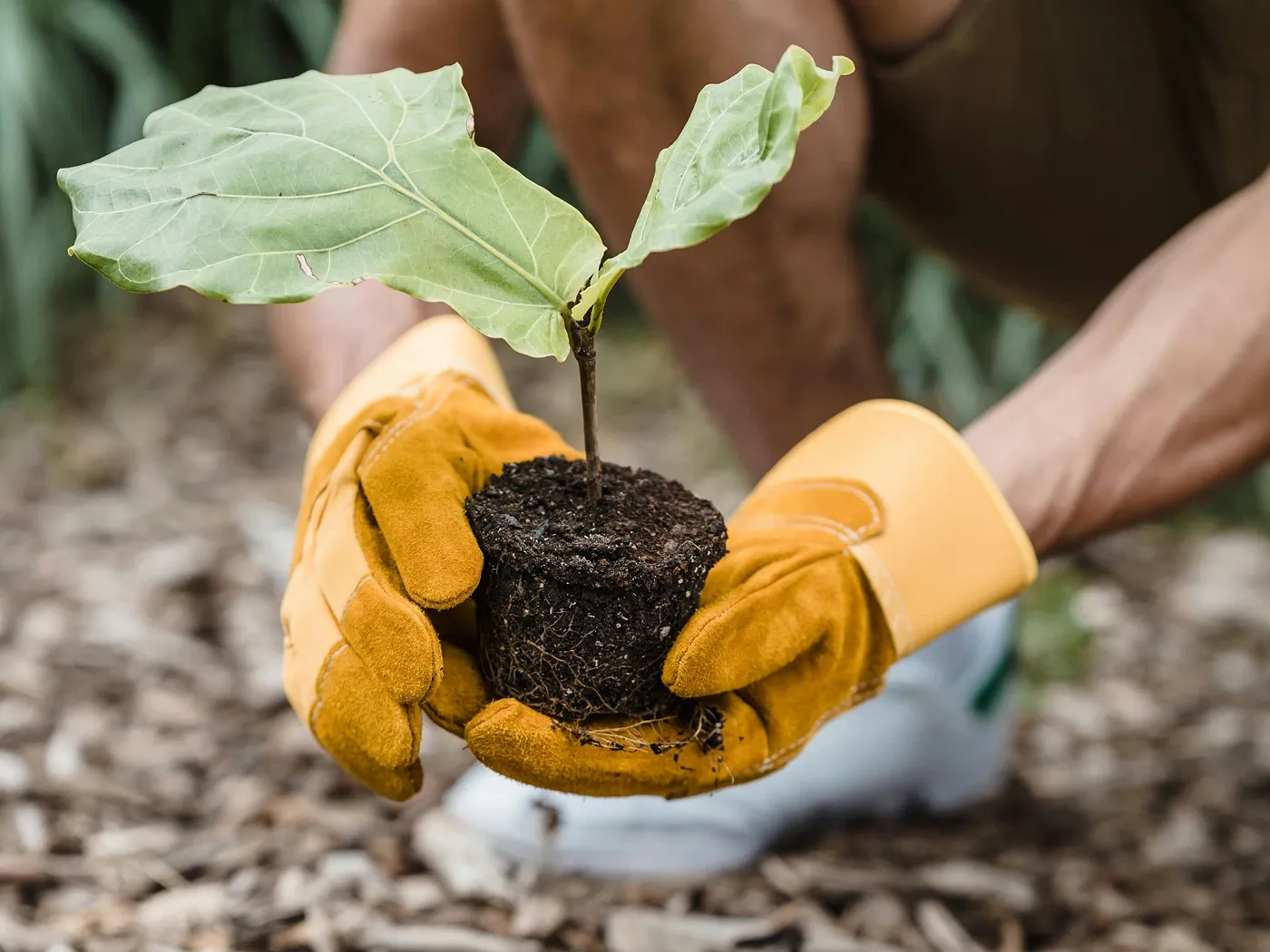
Volunteers serve as mentors and facilitators, bringing real-world environmental issues into the classroom and community. Their involvement ranges from leading nature walks to organizing workshops on topics like recycling, conservation, and climate change. By sharing their experiences and passion, volunteers inspire students to become proactive in environmental stewardship.
Case Study: SoundWaters and Stamford Public Schools
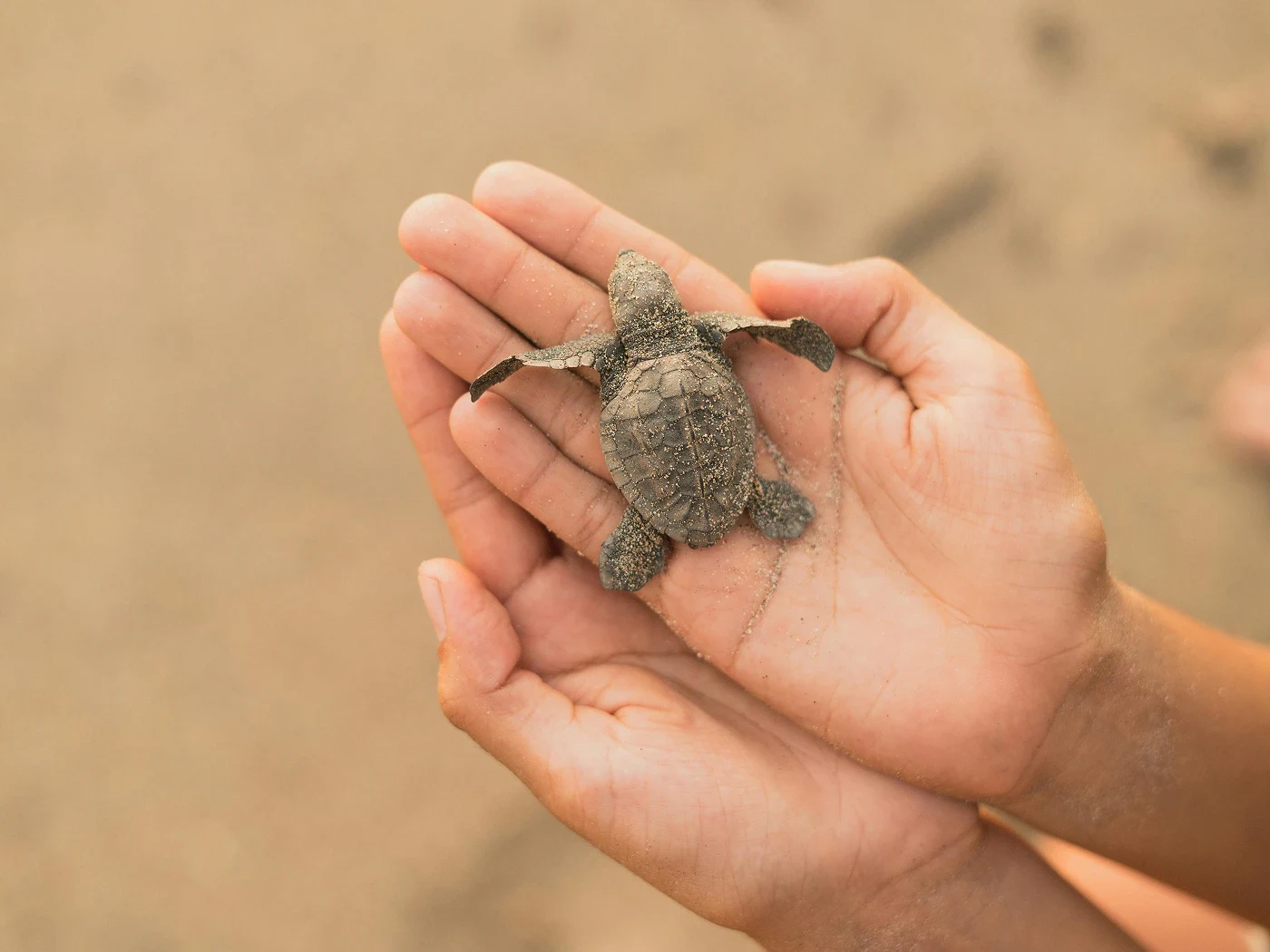
In Stamford, Connecticut, the partnership between SoundWaters and Stamford Public Schools exemplifies the impact of volunteer-led environmental education. Students engage in hands-on learning experiences, such as exploring salt marsh ecosystems and participating in restoration projects. These activities not only enhance scientific literacy but also foster a deep connection with nature.
“When young people see adults caring for the planet, it shows them that protecting our world is everyone’s responsibility—and that action matters.”
Benefits of Volunteer-Led Environmental Education
Enhanced Learning Experiences: Interactive sessions led by volunteers make environmental concepts more tangible and relatable.
Community Engagement: Volunteers often come from the local community, making the learning experience more personal and impactful.
Skill Development: Students acquire critical thinking, problem-solving, and leadership skills through active participation.
How to Get Involved
Individuals interested in volunteering can connect with local schools, environmental organizations, or community centers. Opportunities may include leading educational programs, organizing eco-friendly events, or mentoring youth groups.
Conclusion
Volunteers are instrumental in shaping environmentally conscious future generations. Their dedication and efforts in environmental education not only impart knowledge but also inspire lasting change.