Companionship & care
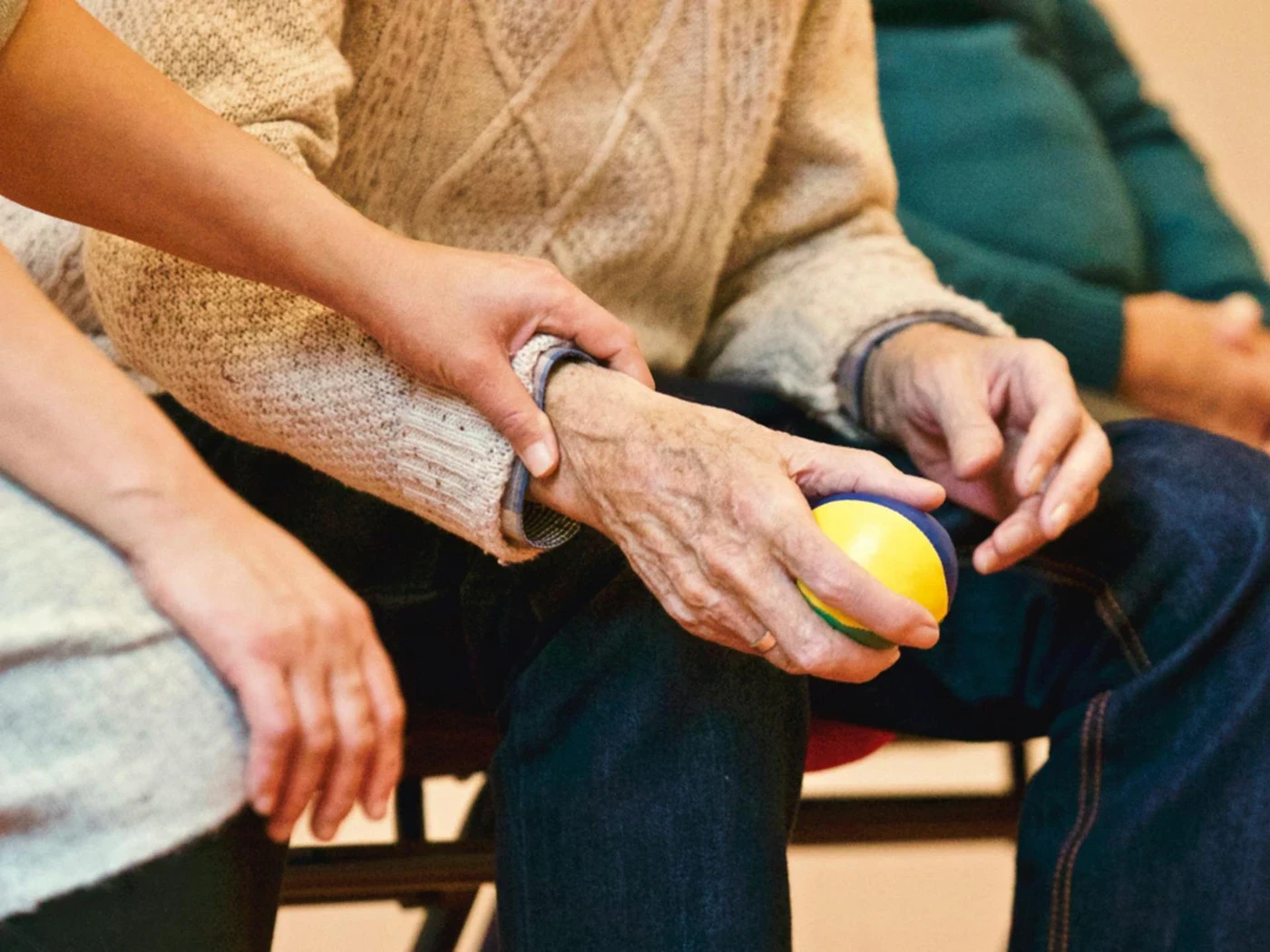
It’s easy to walk past a quiet home on your street without a second thought. But behind some of those doors are seniors who go entire days without meaningful conversation or company. Volunteering with the elderly is one of the most powerful ways to make a tangible, emotional impact — not only on others, but on yourself.
In a world that often overlooks aging populations, your time and presence can restore dignity, joy, and a sense of belonging to someone who truly needs it.
The Hidden Epidemic of Loneliness
According to the World Health Organization, nearly one-third of older adults experience loneliness, which has been linked to serious health risks such as heart disease, depression, cognitive decline, and early mortality. As families grow busier or live farther apart, seniors are often left with limited support.
Volunteering becomes more than a kind gesture — it becomes a lifeline.
“I hadn’t laughed in months until someone started visiting me every Thursday,” shares Ruth, 84. “Now, Thursdays are my favorite day.”
What Senior Support Volunteering Looks Like
You don’t need medical training or special qualifications. What matters most is compassion, consistency, and a willingness to connect. Common roles include:
Friendly visits to isolated seniors at home
Assisting in day centers or retirement communities
Helping with light chores or errands
Organizing crafts, games, or shared meals
Teaching basic tech skills like how to video call family
Offering end-of-life companionship for those in hospice care.
Whether you’re chatting over tea or walking through the park, these interactions can deeply reduce a senior’s sense of isolation.
A Two-Way Experience
Volunteering for senior support isn’t just about giving — it’s also about receiving. Many volunteers report experiencing unexpected personal growth, emotional fulfillment, and shifts in perspective.
“Helping Helen send a video message to her granddaughter made my whole week,” says Jake, 22. “It reminded me that what people want is to feel close to someone.”
You’ll hear life stories that shift your worldview. You’ll develop patience, gratitude, and empathy. And in the process, you’ll become part of someone else’s most meaningful moments.
Getting Started
Look for local opportunities through:
Senior centers and care homes
Nonprofit organizations
Religious or community groups
Volunteer platforms.
Most programs offer basic training and pair you with seniors based on availability or shared interests. Even one hour per week can make a difference.
Small Acts, Big Impact
You don’t need to commit every day. A consistent, simple act — a conversation, a walk, a shared photo album — can give someone a sense of hope and joy they may not have felt in years.
Volunteering with seniors isn’t flashy. But it’s deeply human. It reminds us what matters most: presence, kindness, and the quiet power of showing up.